Madrid Art Triangle: Prado, Thyssen & Reina Sofía
Less than a kilometre apart from one another, the Museo del Prado, the Thyssen-Bornemisza and the Reina Sofía form the so-called Art Triangle (Triángulo del Arte), one of the most concentrated and accessible museum axes in the world. A visit to all three is a journey through five centuries of painting and sculpture, from the Flemish masters to twentieth-century avant-garde. With one day you can combine two of them; with a weekend you can see all three at a relaxed pace.
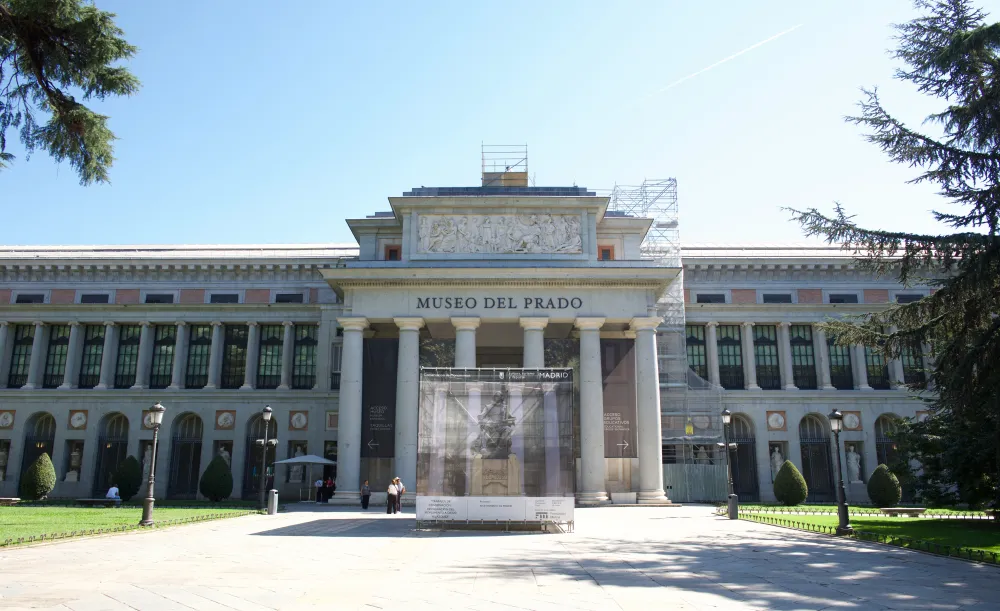
The three museums of the Art Triangle
Museo Nacional del Prado
The Prado is the reference museum for classical European painting. Its collection spans from the twelfth century to the early nineteenth and brings together masterpieces by Velázquez (Las Meninas), Goya (the Black Paintings room), El Greco, Raphael, Titian, Rubens and Bosch, among many others. A visit can easily last three to five hours if you take your time; on a first visit it is worth focusing on the Spanish and Flemish painting galleries. It stands on the Paseo del Prado, beside the Jardines del Buen Retiro.
Museo Thyssen-Bornemisza
The Thyssen completes the triangle with an encyclopaedic collection stretching from the Italian primitives to American pop art and abstract expressionism, taking in impressionism, fauvism and German expressionism along the way. Located in the Palacio de Villahermosa near the Plaza de Cibeles, it is the museum that best covers the nineteenth and early twentieth centuries before the post-war avant-garde. The collection is more manageable than the Prado's: in two and a half hours you can move comfortably through its three floors.
Reina Sofía Museum
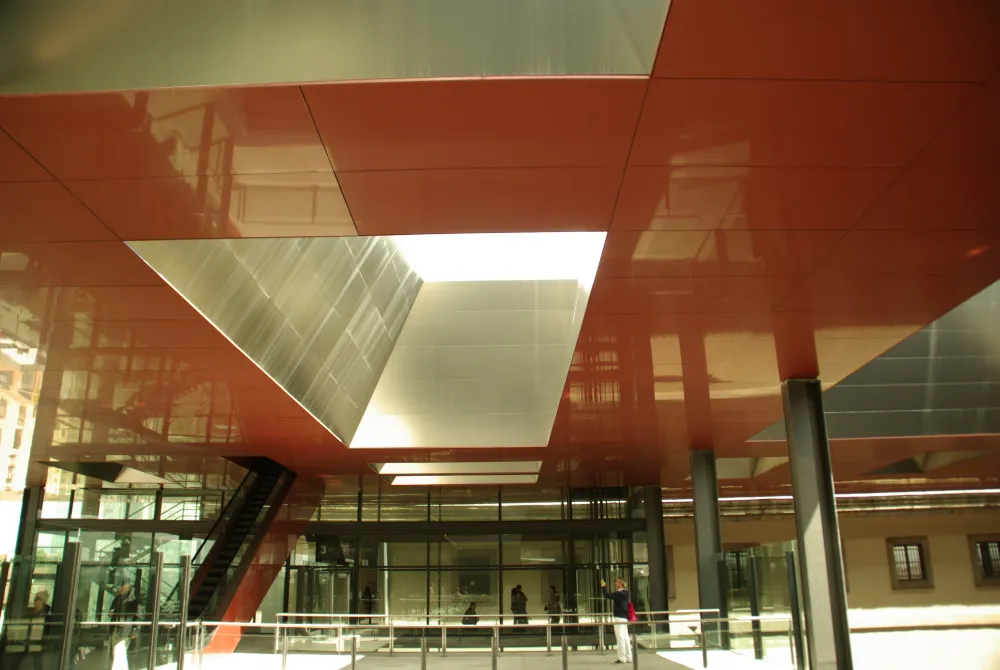
The Reina Sofía is the great museum of modern and contemporary Spanish and international art. Its collection begins in the late nineteenth century and extends to the present, with works by Picasso, Dalí, Miró, Juan Gris, Jorge Oteiza and many others. The centrepiece is Picasso's Guernica, housed on the second floor of the Edificio Sabatini. The Edificio Nouvel, opened in 2005, extends the visitor route with temporary exhibitions and works from the most recent decades. Located next to Atocha station, it is the southernmost point of the triangle.
The Paseo del Arte card: savings and benefits
If you plan to visit all three museums, the Paseo del Arte card (Abono Paseo del Arte) is the most cost-effective option. This combined pass gives access to the permanent collection of all three museums for approximately €38.60 (verified Jun 2026), a noticeable discount compared to individual tickets. The card has no fixed expiry date for each visit: once purchased, you have one year to use the three entries. It can be bought at the ticket desks of any of the three museums or through their online booking platforms. For the Reina Sofía, you can also book in advance through Civitatis.
- Savings: 20–25 % discount compared to three individual tickets.
- Flexibility: one year's validity; you can visit each museum on different days.
- Skip the queue: with a pre-booked ticket you go straight in without waiting at the desk.
- Complementary: does not cover separately priced temporary exhibitions.
Suggested itinerary for all three museums
The layout of the museums allows you to plan a linear walking route from the Prado to the Reina Sofía. This is the itinerary we recommend for anyone with two days or a very full single day.
- Morning — Museo del Prado (3–4 h)Start when it opens (10:00) to avoid midday queues. Focus on Velázquez, Goya and the Flemish masters. Leave before lunchtime to avoid afternoon school groups.
- Lunch in the Barrio de las LetrasFive minutes from the Prado along Calle del Prado or Huertas: tapas bars, set-menu restaurants and quiet terraces among second-hand bookshops.
- Early afternoon — Museo Thyssen (2–3 h)Walk up from the Prado along the Paseo del Prado to the Plaza de Cibeles. The top-to-bottom chronological route is the most logical: from Gothic to pop art across three floors.
- Second morning — Reina Sofía Museum (2–3 h)Spend the morning at the Reina Sofía, with Guernica as the centrepiece on the second floor. Allow time for the Miró and Dalí galleries and for the Edificio Nouvel courtyard if there is a temporary exhibition of interest.
- Free afternoon — Retiro or AtochaTwo minutes from the Reina Sofía, the tropical garden at Atocha station and the entrance to the Parque del Retiro make the perfect end to the route.
Practical tips
- Tuesday closure: the Reina Sofía closes on Tuesdays; the Prado closes on Mondays. Plan accordingly.
- Best time for the Reina Sofía: first thing in the morning (opening at 10:00) or after 16:00, when organised groups have usually finished.
- On foot: it is about 800 metres in a straight line from the Prado to the Reina Sofía along the Paseo del Prado; perfectly walkable even in summer if you go early.
- Metro: the Reina Sofía is accessible from Atocha station (Line 1) and Atocha Renfe (Cercanías commuter rail).
- Cloakroom: all three museums offer a free cloakroom; use it so you can move around freely.
Book your Reina Sofía ticket
Secure your ticket in advance and skip the queue on the day of your visit.
See Paseo del Arte tickets →⏳ Time-slot places are limited. Lock in your time · instant confirmation.
Frequently asked questions
What is the Art Triangle?
It is the popular name for the axis formed by the Museo del Prado, the Thyssen-Bornemisza and the Reina Sofía Museum, all three less than one kilometre apart along the Paseo del Prado.
Is the Paseo del Arte card worth it?
Yes, if you are going to visit all three museums. Savings are around 20–25 % and the card is valid for one year, so you can visit each museum on a different day without rushing.
Can you see all three in one day?
It is possible but exhausting. The ideal approach is to spread them over two days: Prado and Thyssen on the first day, Reina Sofía on the second (or vice versa). That way you enjoy each collection without feeling overwhelmed.
Content reviewed by the Ticket Visit team · June 2026.